
Budgeting a whole-house remodel or addition
Before comparing totals, make sure they describe the same work. A useful budget explains what is included, what is still a choice and what needs more information.
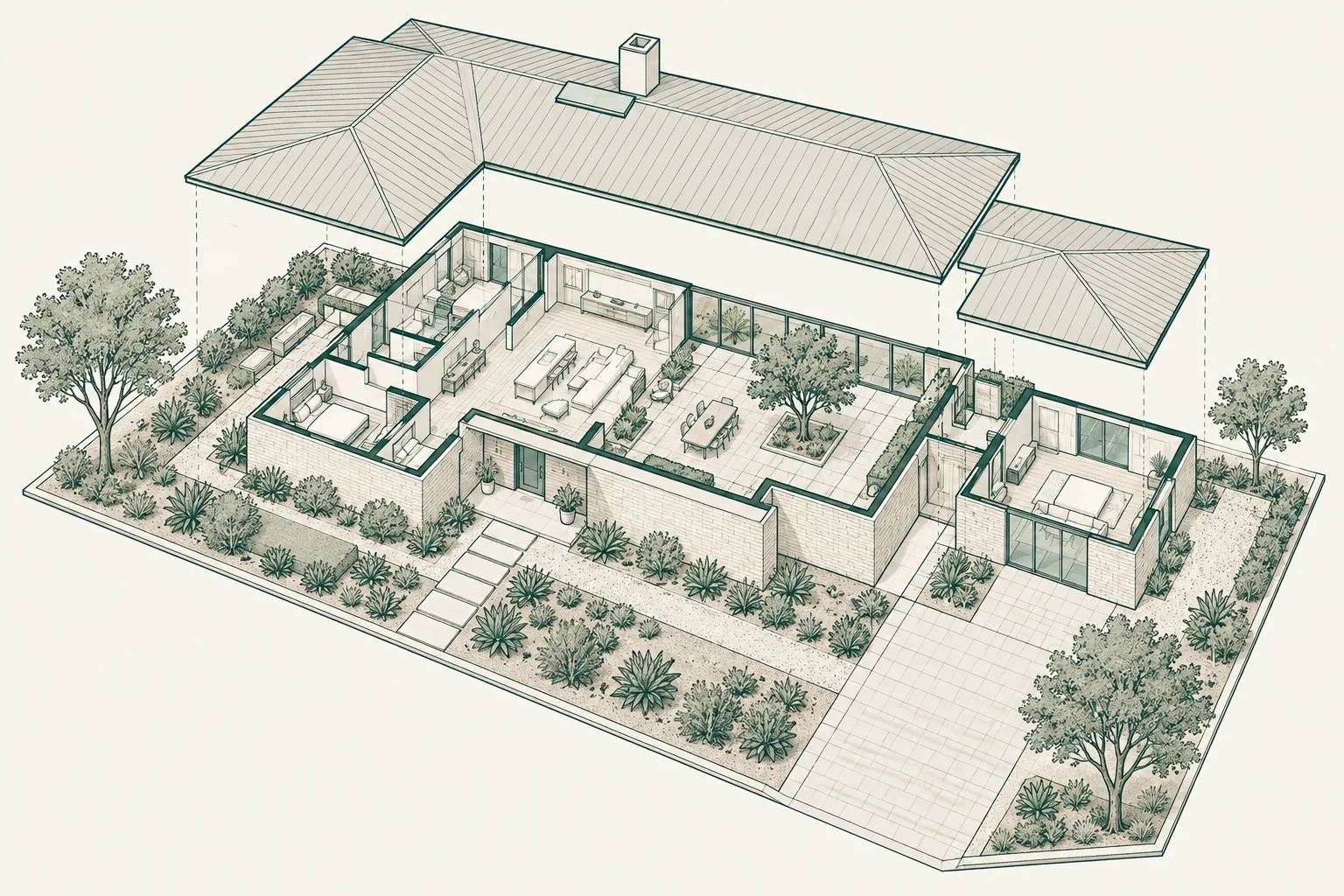
Begin with a written scope.
What stays?
What moves?
What changes?
Make a room-by-room list of what stays, what moves and what is replaced. Then add the work that crosses room boundaries: circulation, structural changes, building services and connections to an addition. Otherwise, a series of room estimates can miss the work that joins them together.
Keep priorities separate from alternatives. You might need another bedroom but still be deciding whether to extend the house or reorganize the existing layout. Price those as distinct options rather than mixing both into an undefined wish list.
Give every cost a place.
Organize the budget into design and investigation, approvals and fees, construction, owner purchases, and living arrangements during the work. This is a comparison framework, not a statement that every item applies or that one contractor supplies all of it.
Ask who is responsible for each item and where its allowance appears. Include the less visible questions: protection of retained finishes, temporary arrangements, making good at the edge of the work, removal of debris and restoring affected outdoor areas.
- Design & investigation
- Plans, surveys and specialist investigations
- Approvals & fees
- Local fees and utility-provider requirements
- Construction
- Building work, finishes and installation
- Owner purchases
- Items you will purchase directly
- Living through the work
- Temporary accommodation, storage or other household costs if needed
A comparison framework. Confirm which items apply—and who is responsible for each.

Put selections beside their allowances.
An allowance is easier to evaluate when you can see what it covers. Ask whether it includes supply, installation, delivery, tax and associated work. A fixture allowance and an installed-room price are not interchangeable.
Create a small selection register with the item, working budget, decision owner and required decision date. It helps identify which choices can wait and which may affect the design or sequence. Do not treat an unchosen product as a settled cost.
Check what is included
- Supply
- Installation
- Delivery
- Tax
- Associated work
Separate unknown conditions from new choices.
Ask the team which existing conditions can be investigated before pricing and which remain uncertain. Record the assumptions behind the estimate and discuss how an unexpected condition would be documented. Keep a homeowner reserve distinct from a contractor’s allowances; the appropriate amount depends on the project rather than a universal percentage.
A change you request is different from something discovered in the house. In either case, understand the scope, cost and schedule effect before agreeing to the work. For applicable home improvement contracts, CSLB explains the written change-order requirements.
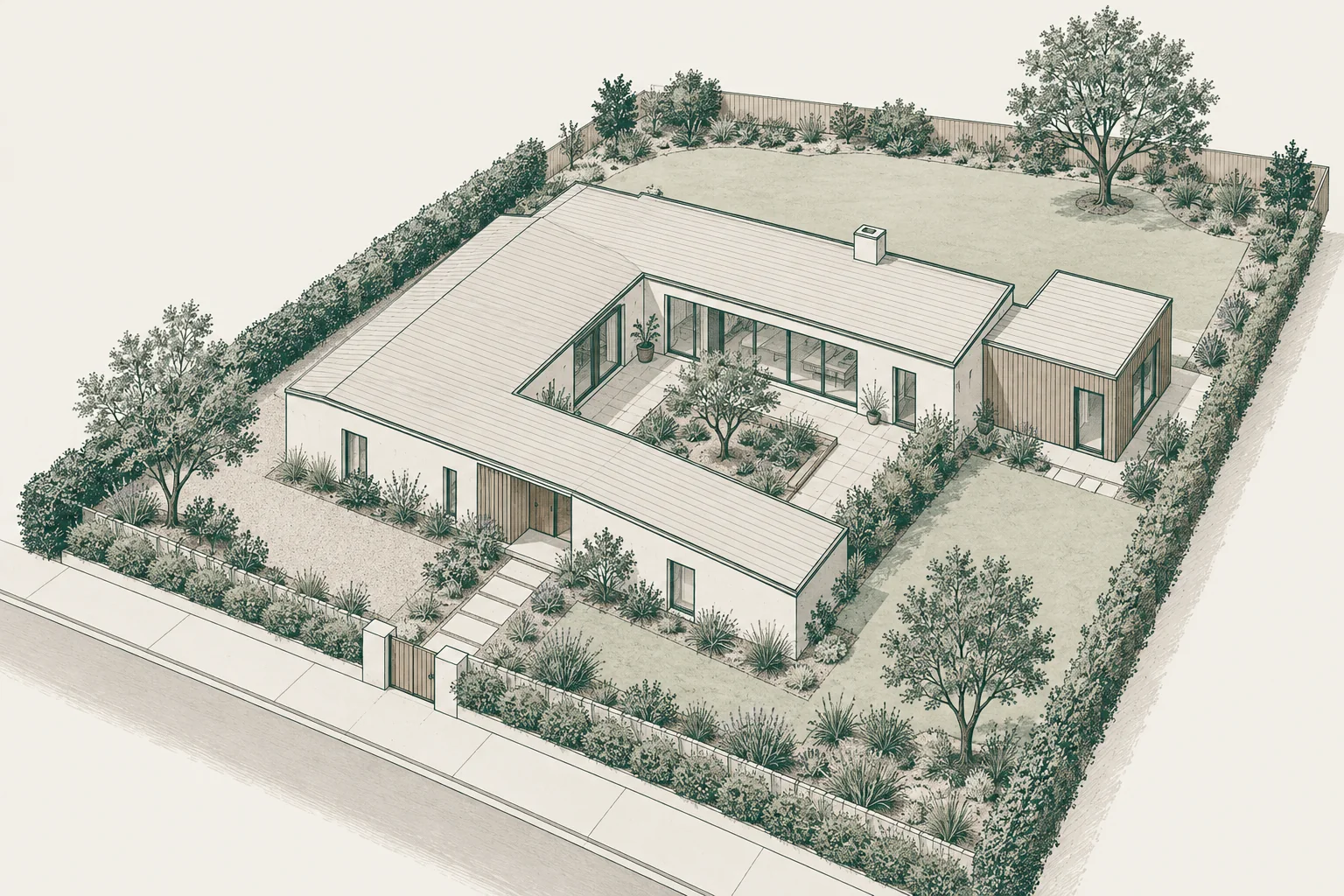
Compare boundaries, then totals.
Put competing estimates next to the same scope list. Highlight omissions, provisional items and different assumptions. Ask for clarification rather than filling the gaps yourself. This often produces a more useful conversation than trying to reduce every proposal to a price per square foot.
For an initial estimate discussion, share your city, plans or room list, the changes that matter most and your current planning stage. We offer complimentary estimates; a reference budget on a website cannot replace a review of your home.
Keep the source close.
Use current guidance for your property and proposal.
CSLB: home improvement contractsBring the plans.
And the open questions.
Share what you want to change and where you are in the process. Estimates are complimentary.
Discuss your remodel