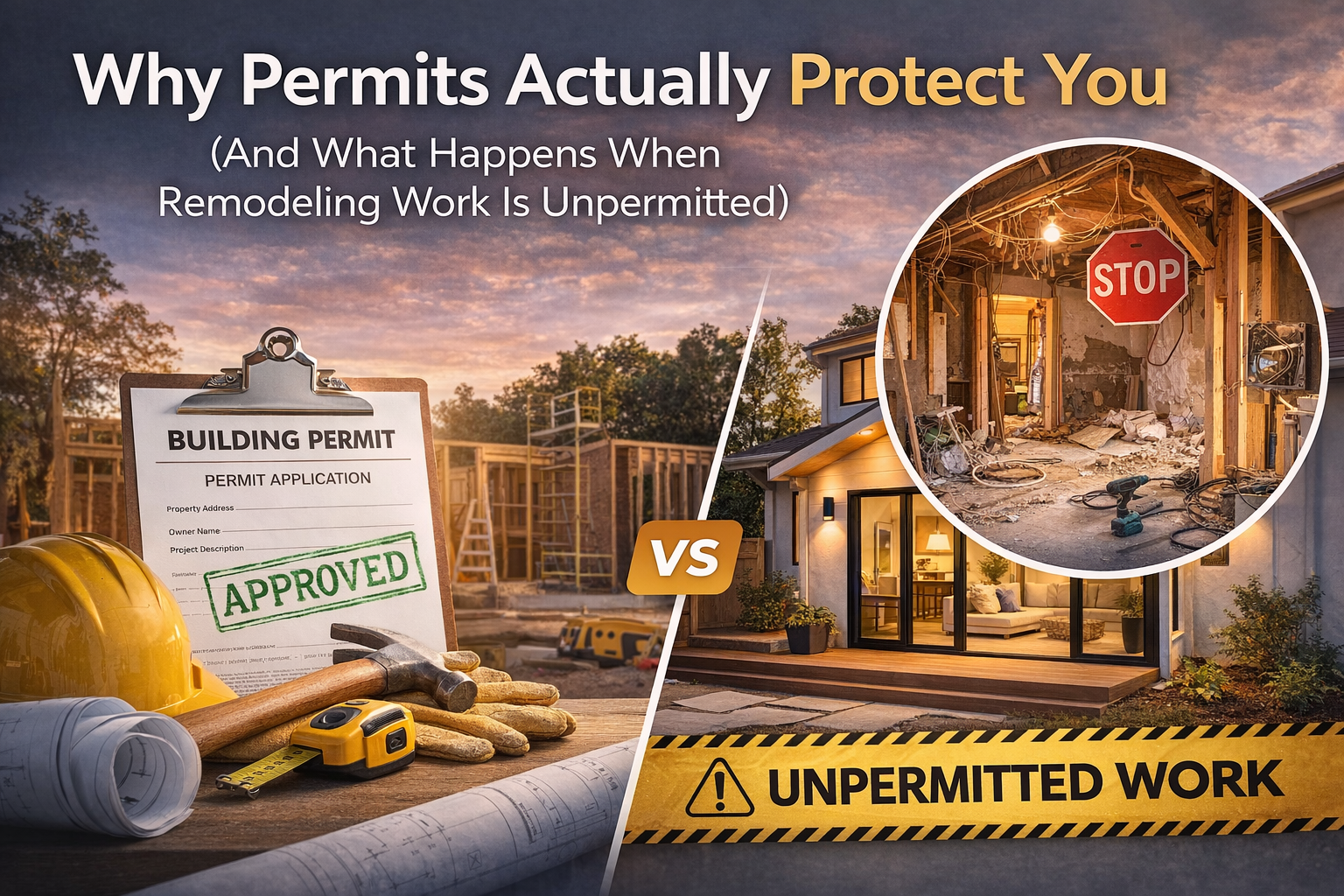
Palo Alto ADU Permit Guide: Everything You Need to Know in 2025
A step-by-step guide to the Palo Alto ADU permit process in 2025 — what documentation you need, how long it takes, what fees to expect, and how to avoid the most common delays.
Palo Alto ADU Permit Guide: Everything You Need to Know in 2025
Getting an ADU permitted in Palo Alto requires navigating the City's Building Department, utility requirements, and California's statewide ADU law — and mistakes in this process cost time and money. A poorly prepared permit application adds months to your project timeline. A well-prepared one moves through review efficiently and gets you to construction faster.
This guide walks you through exactly what's involved in the Palo Alto ADU permit process in 2025 — what documents you need, what fees to expect, how long each stage takes, and the most common reasons applications get delayed.
Understanding Palo Alto's ADU Regulations
Palo Alto's ADU regulations are governed by both California state law (Government Code Section 65852.2) and the City's Municipal Code. Where state and local law conflict, state law prevails — and California's ADU reform legislation has generally pushed in the direction of making more ADUs permissible. Key current parameters:
- Maximum size: Detached ADUs up to 1,200 sq ft; attached ADUs up to the lesser of 50% of the primary dwelling's floor area or 1,200 sq ft; JADUs up to 500 sq ft
- Minimum setbacks: 4 feet from side and rear property lines for new detached ADUs; front setback must comply with the existing primary dwelling's setback
- Maximum height: 16 feet for detached ADUs in most zones; taller units may be permitted in certain circumstances
- Parking: No replacement parking required when a garage is converted to an ADU; no additional parking required for ADUs within ½ mile of public transit
- Owner occupancy: State law currently prohibits local agencies from imposing owner-occupancy requirements on ADU projects — check current regulations as this evolves
- Simultaneous ADU + JADU: One ADU and one JADU are permitted simultaneously on a single-family lot under state law
The Palo Alto ADU Permit Process — Step by Step
Step 1: Pre-Application Research (1–2 weeks)
Before preparing any drawings, review your property's zoning, lot coverage, and any special overlay districts (hillside, historic, flood zone) that might affect your project. The City of Palo Alto's Zoning Map and General Plan are available online. Some properties in the hills or near creeks have additional development restrictions that affect ADU feasibility.
Step 2: Design and Documentation Preparation (4–8 weeks)
Your permit application requires a complete package of documents. For a detached ADU, this typically includes:
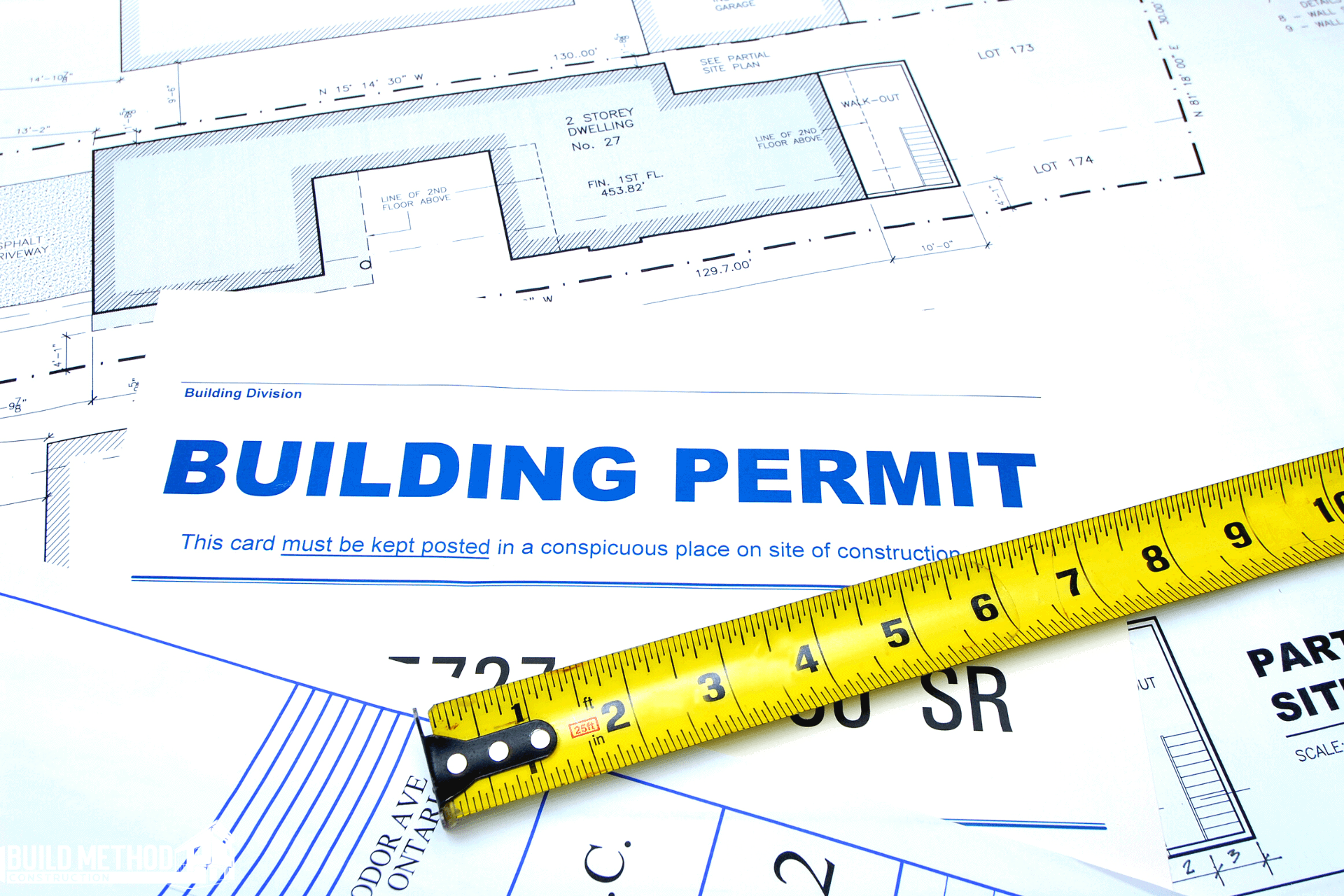
- Site plan showing property dimensions, setbacks, existing structures, and proposed ADU location
- Architectural drawings — floor plan, elevations (all four sides), sections, and details
- Structural engineering calculations and details (foundation, framing, connections)
- Title 24 energy compliance report (mandatory for all new residential construction in California)
- Grading and drainage plan (if significant site work is involved)
- Utility connection plan showing water, sewer, gas, and electrical service
Palo Alto has a municipal utility (Palo Alto Utilities) rather than PG&E, which affects electrical and gas connection requirements. Make sure your contractor or engineer is familiar with PAU's specific standards.
Step 3: Permit Application Submittal
Applications are submitted to the City of Palo Alto Building Department, located at 285 Hamilton Avenue. Palo Alto accepts online permit applications through their permit portal for many project types, but ADU applications often require in-person submittal or pre-application meeting depending on complexity.
Step 4: Plan Check Review (8–14 weeks for standard ADUs)
This is the stage where most project delays occur. The City's plan checkers review your application against the California Building Code, Palo Alto Municipal Code, and Title 24 energy standards. First-time correction notices are issued in 4–6 weeks in most cases, asking for revisions or additional information.
Common correction notice items include: insufficient structural detail at foundation or lateral connections, Title 24 compliance deficiencies, site plan discrepancies, and incomplete utility plans. Each round of corrections adds 2–4 weeks to the review timeline. A well-prepared initial application from an experienced team typically results in one correction round rather than two or three.
Step 5: Permit Issuance and Fees
Once the plan check is complete, the City issues a permit and collects permit fees. For a detached ADU in Palo Alto, total permit-related fees typically run $12,000–$25,000, including plan check fees, building permit fees, and utility connection fees. Palo Alto's School Impact Fee also applies to new habitable square footage — currently $4.07–$4.48 per square foot of new construction.
Step 6: Construction Inspections
During construction, the City requires inspections at multiple stages: foundation (before pouring concrete), framing (before insulation), rough electrical and plumbing (before wallboard), insulation, and final occupancy. Scheduling inspections promptly and having work ready when inspectors arrive keeps your project on timeline. Our project management team handles all inspection scheduling and ensures work passes on the first visit.
Step 7: Final Occupancy Permit
The final inspection and occupancy permit sign-off is what legally allows the ADU to be occupied and rented. This is the finish line — and getting here requires that all previous inspections were passed, all correction notices were addressed, and the final site matches the approved drawings.
How Long Does the Entire Process Take?
From first design meeting to occupancy permit, a typical Palo Alto detached ADU project takes 12–18 months. Garage conversions and simpler projects often move faster — 8–12 months is realistic for a straightforward conversion. Here's a rough breakdown:
- Design and documentation: 6–10 weeks
- Plan check (including one correction round): 12–18 weeks
- Construction: 16–24 weeks for a detached ADU; 12–18 weeks for a conversion
- Final inspection and occupancy: 1–2 weeks
Working with an Experienced Palo Alto ADU Contractor
The permit process is manageable — but it rewards experience and preparation. Contractors who have done this many times know what Palo Alto's plan checkers look for, how to prepare documentation that minimizes correction rounds, and how to keep projects moving through the system efficiently. This knowledge is worth real money in reduced delays and fewer unexpected costs.
At Sami & Sons, we manage the complete Palo Alto ADU permit process for every project we build — from first application through final occupancy sign-off. Call us at (408) 770-9455 to schedule a free consultation and learn what's possible on your property.